"green is not just a colour"

One Little Block at a Time

Scrap Quilts Cheryl Arkison Small Piecing

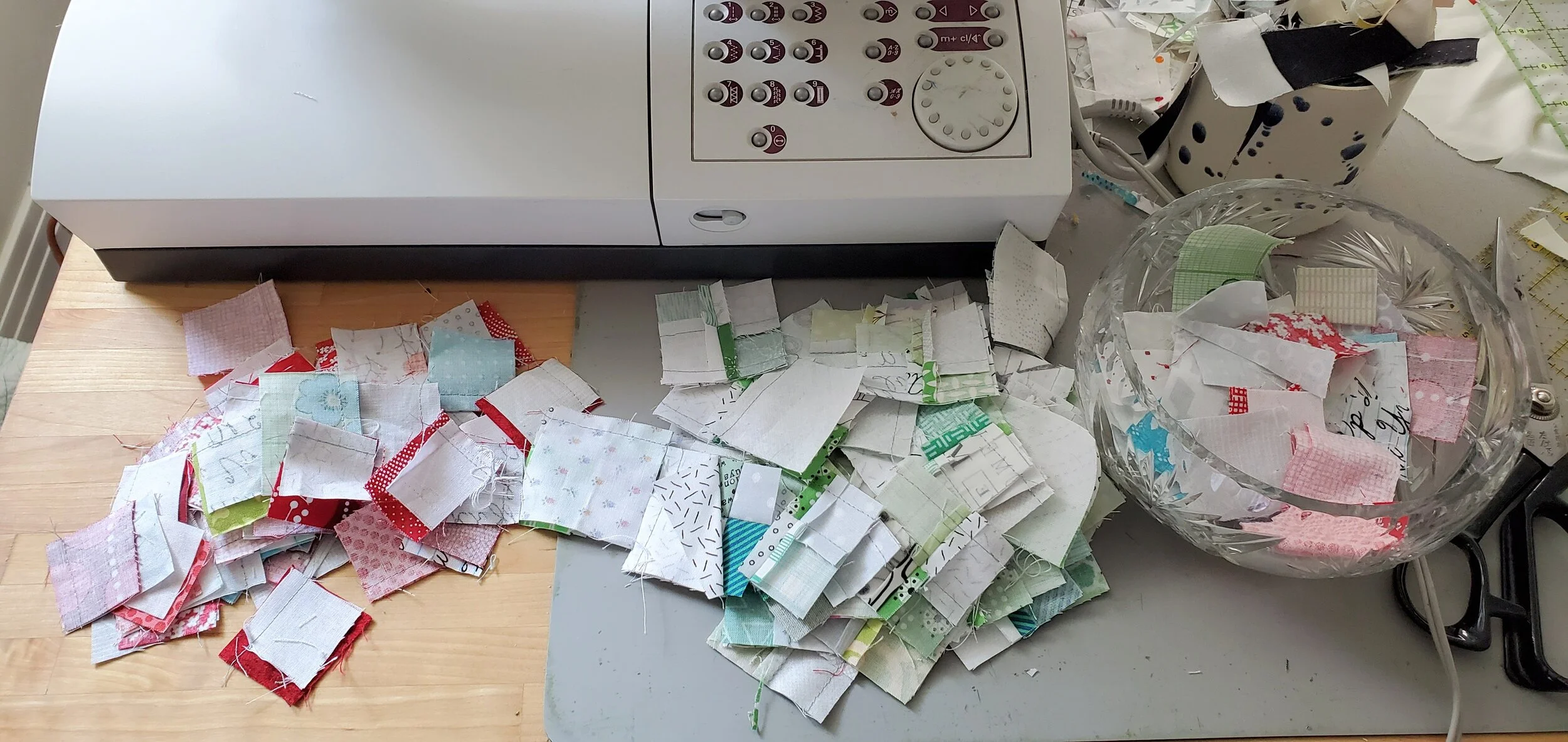
One day you are just staring at the scraps from some log cabins and the next you are starting a new quilt. To be fair, I didn’t really plan on starting a new quilt, I just wanted to see what would happen if I made some little four patches. Well, I can tell you this, JOY happened. Little four patches are deliciously delightful!

Tedious to sew at times, but delightful.

Initially, I only made the red and white ones. After a batch of those I decided they needed some other colours for company. It was only after I made some green and turquoise ones that I decided these little bits would become a quilt. But what kind of quilt?
Small Piecing Scrap Quilts Cheryl Arkison

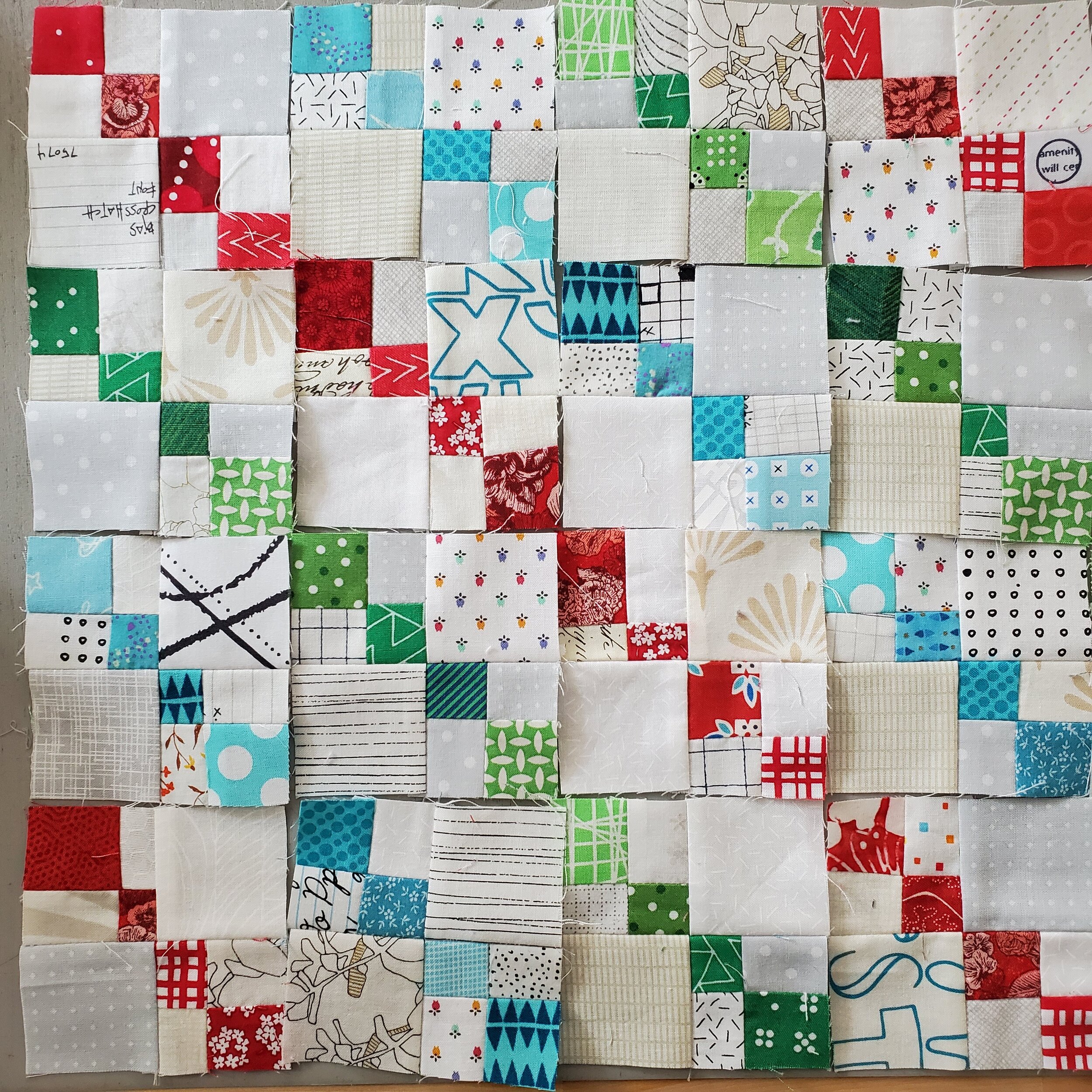
THIS kind of quilt.

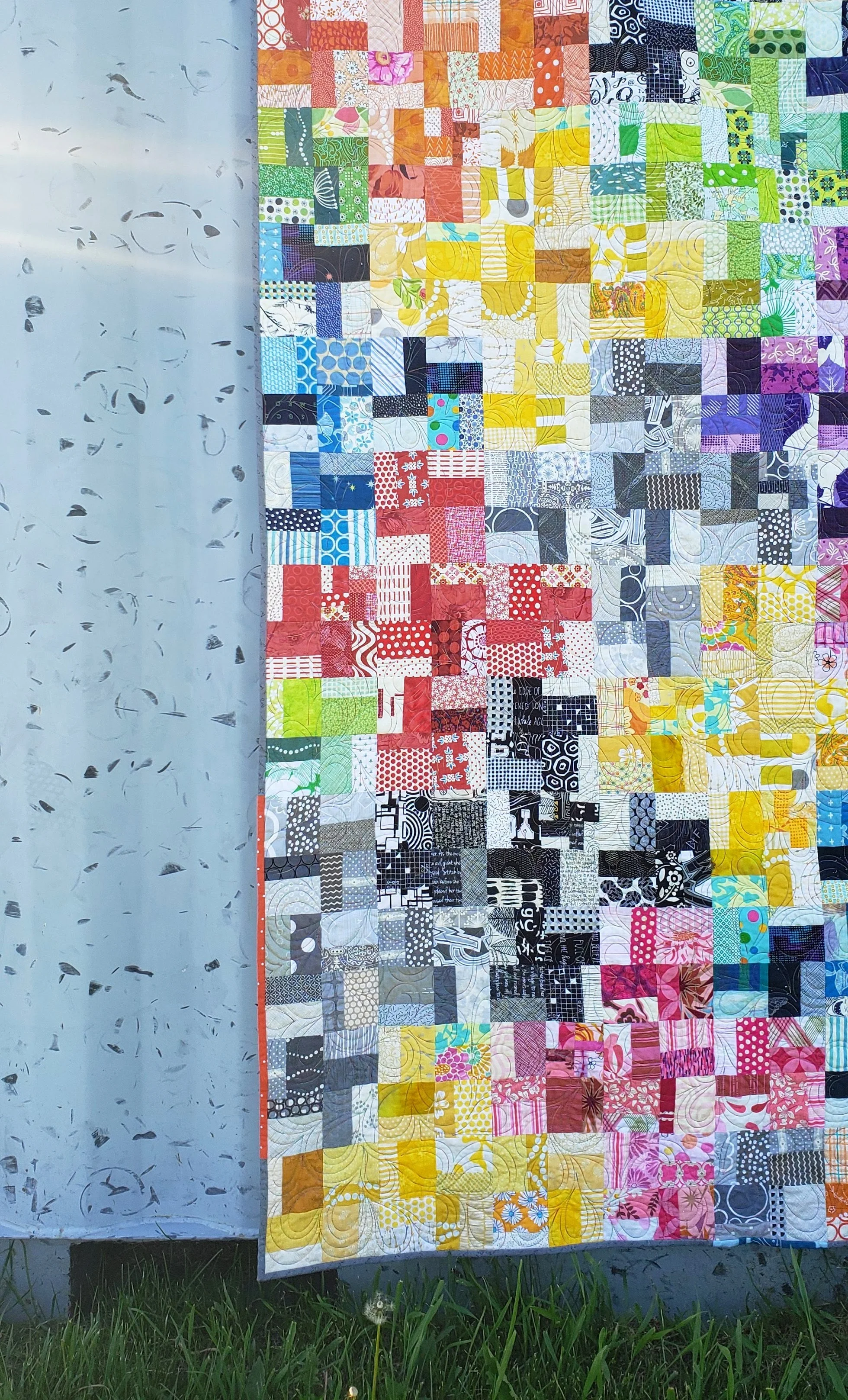
A meta four patch showing off all the best in the colours and the low volume fabric. See? Delightful.

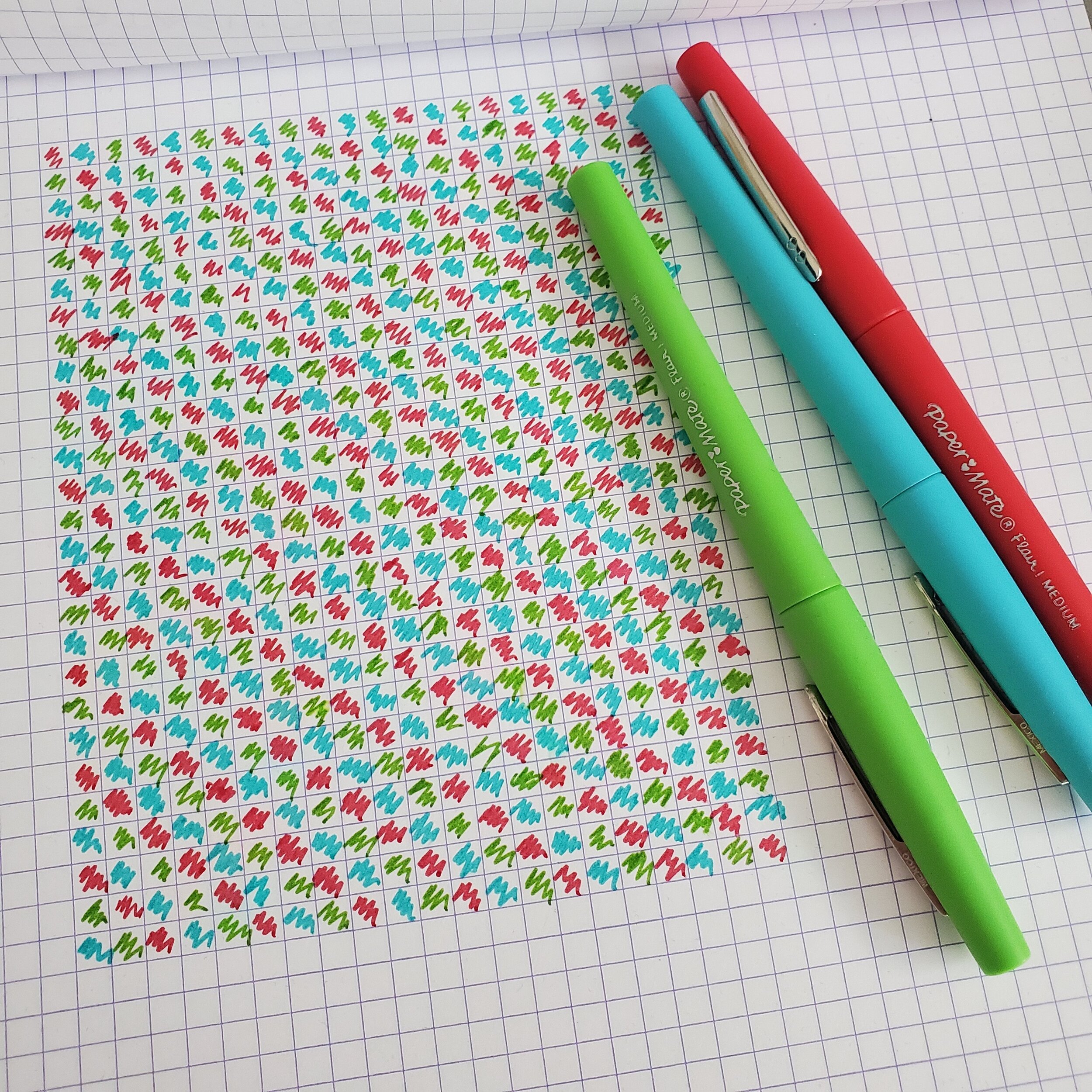
My Covid brain would not allow me to imagine what it could truly be as a quilt though. At least not at a useful size. Usually, I could fo the math and dive right in. Alternatively, sew a bunch and then figure out a way to make it work. This time I needed to draw it out a bit. No one will ever complain about a little sketching either. Some coloured pens an graph paper did the trick. Now I could count squares instead of totally winging it.
Scrap Quilts Cheryl Arkison Small Piecing

Sometimes you don’t want to do the math though. Only because the answer is daunting. Really daunting. That is one of the downsides of small piecing. The only downside. It takes a lot of blocks to make a useful size quilt. In my case, this quilt will end up 21 x 27 blocks. That means I need 567 of the bigger blocks. So double that of the four patches! Yeah, I didn’t like that math either.

The good thing about small piecing and no deadline, is that I can plug away and one day it will be done. This causes me zero stress. If I finish this project this month, next year, or in 2025, I don’t care. It will be a cool quilt no matter what.

So I’ve cleaned up dangly bits from the stash of low volumes, tidied up the scrap bins, and got myself a pile of blocks by the sewing machine. As I work on any other project the pairs become my leaders and enders. Once a good stack of them are ready I plug in the iron and put a show on the computer to press. Then repeat, making four patches. I’ve actually squared up quite a few of them while on Zoom calls for school or sports AGMs. Keeps me busy, at least.

I feel my mojo creeping back so getting these assembled doesn’t feel like work. More like a comfort, a return to home. Just like our lives right now have to be about taking it one day at a time, we can make a quilt one block at a time.

Scrap Quilts Cheryl Arkison Small Piecing

Plus Size - Scrap Quilt Extraordinaire

Scrap Quilt Values Plus Cheryl Arkison

Plus Size

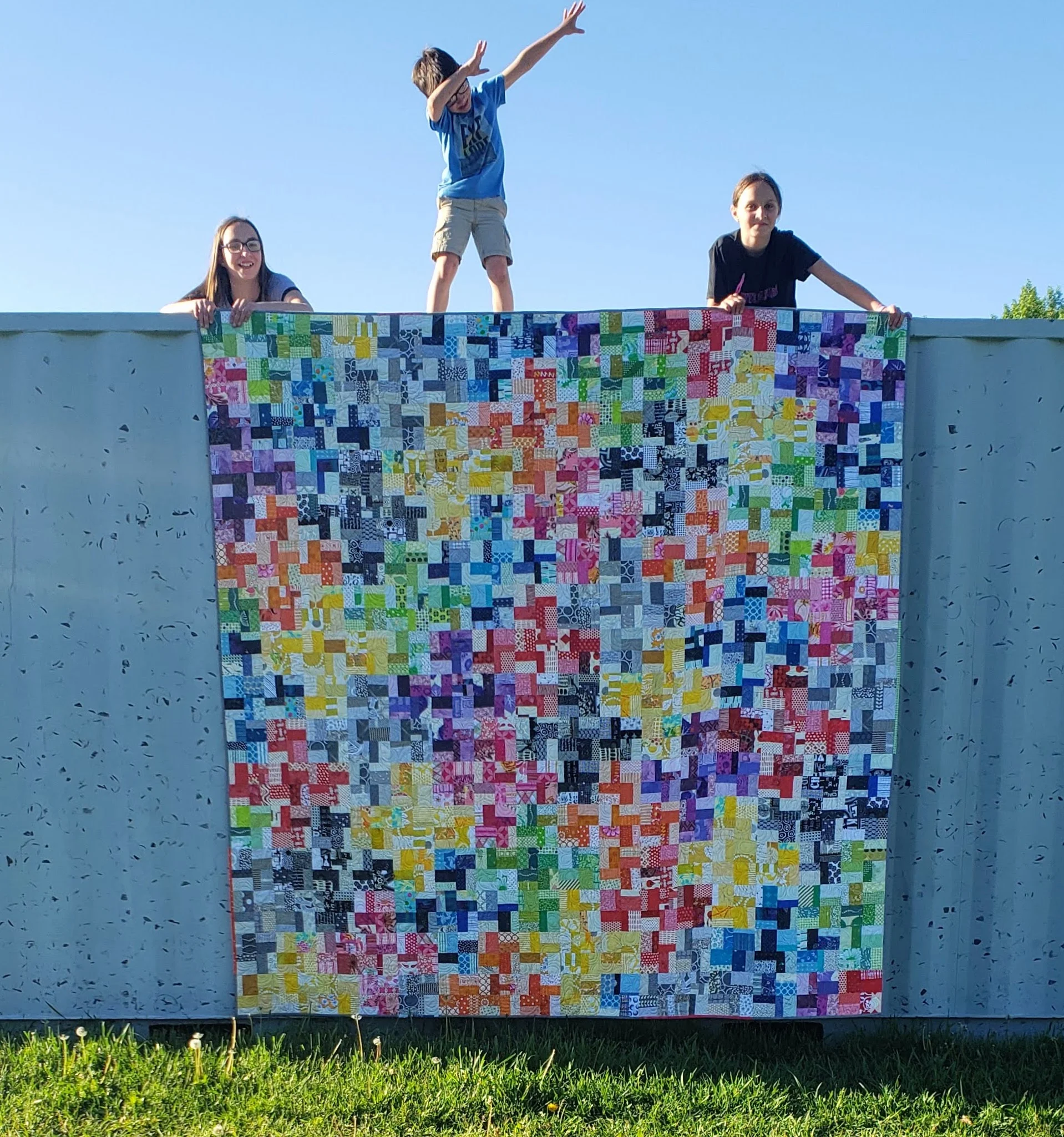
96” x 96”

When you get the kids involved in the quilt photo shoot there will always be a Dab. There were a few other moves, if I’m being perfectly honest. Good for laughs, and fun photos.

Finished the binding on this massive quilt recently. It took me a few weeks to get it done due to that whole chronic pain thing and a desire to not sit much. And this is definitely one of those instances where I didn’t quite appreciate just how big of a quilt I was making!

Values Plus Quilt Cheryl Arkison

The entire quilt started with me walking the walk, instead of just talking. An IKEA bag full of scraps that needed to be sorted combined with a few sample blocks. An obsession with making blocks and dealing with all those scraps later and I have a finished quilt. Well, a few more steps in there. But funny how as soon as you finish the quilt your forget all the steps that got you there!

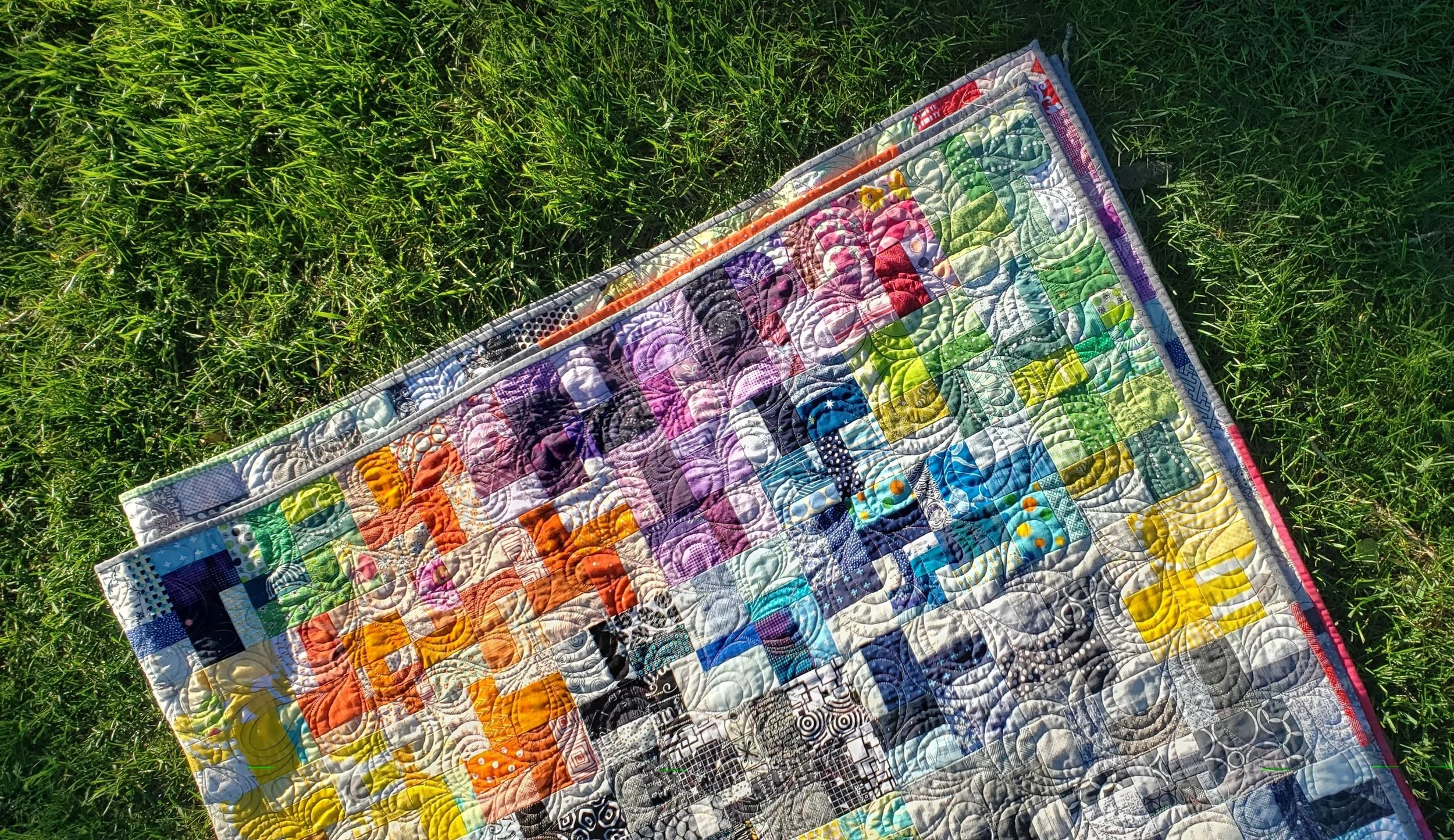
Of course, it helped that I had someone else quilt it for me! When I finished the top my local friend asked if she could work on it. Um, yes! I made up a back with some multicolour prints in my stash and dropped it off. The good thing about a scrappy quilt like this is that an all over design is absolutely perfect. With so much going on in piecing and prints you won’t see the quilting. Well, unless the sun is directly shining on it! Lee picked this great modified paisley. I’m a girl who likes contrast so I really like it against the angular piecing.

All over long arm quilting Quilting By Lee
Pieced Binding Cheryl Arkison

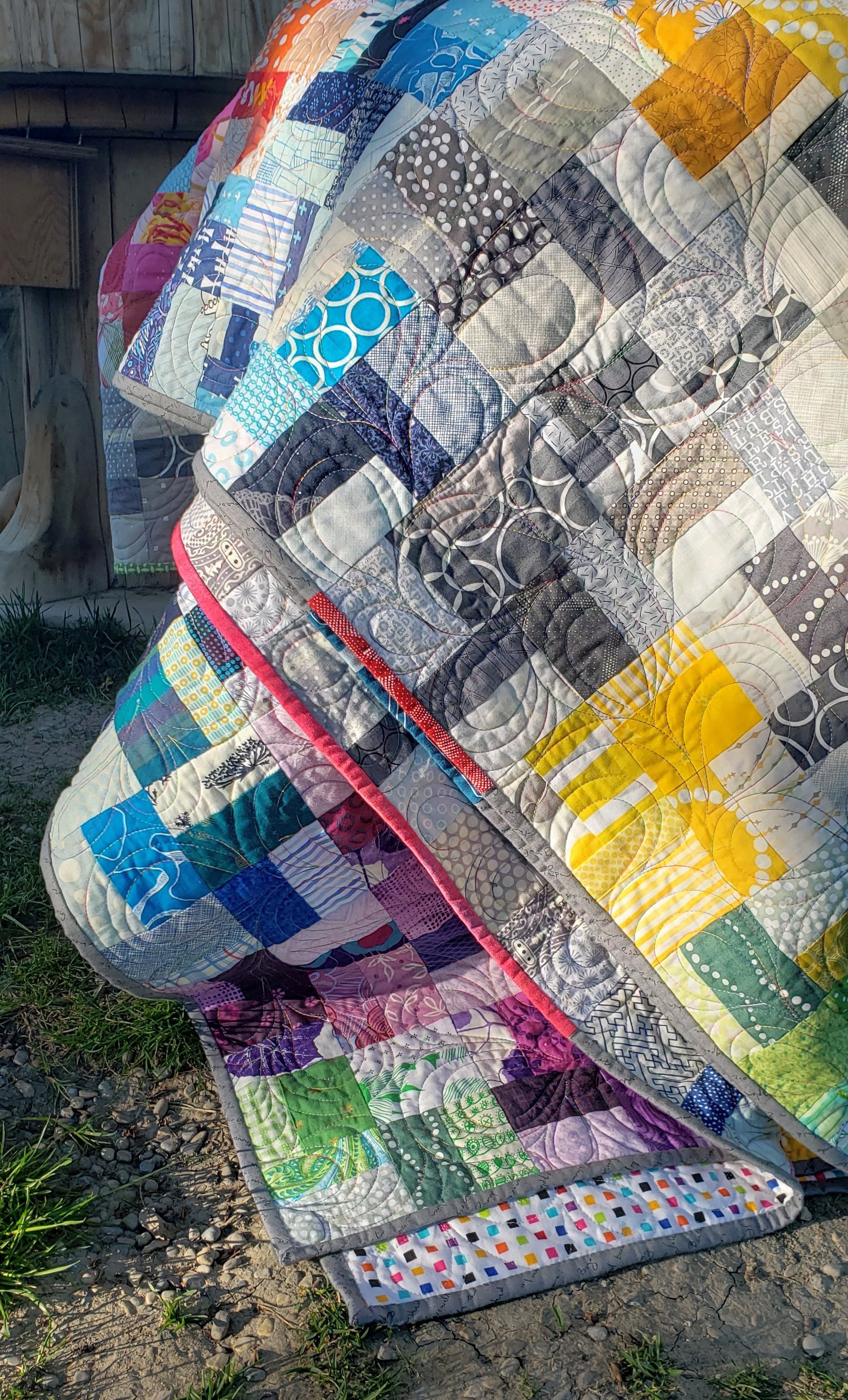
Initially I was going to do a black binding. Too harsh in this case against all the prints. Then I was going to do a black and white stripe but I after tearing apart my stash for the one I had in mind I remembered that I used it on the back! In the end I went with a grey from my Tag fabric collection. The text is written on the bias so it makes a perfect binding. To keep it from being too boring I pieced in other colours where there was grey on the edge of the quilt.

The name - like many of my quilts - has a double meaning. Triple, actually. 1. The blocks are based on a class I teach called Values Plus. 2. I like the double pluses - using the plus blocks to make colour block pluses. 3. Today was a fat day. Hey, we all have them. And when I was lamenting my plus size body I saw the quilt and it made me smile. My body is real, and this quilt is Plus Size.

Plus Size Quilt

Teeny Tiny Scraps Shadow Box Craft

teeny scraps quilts

“How small is too small?”

Whenever I am speaking on scrap quilting, no matter the audience, this is a guaranteed question. I think people are looking for either A) someone to tell them it is okay to throw out fabric at some point or B) that they aren’t crazy for keeping every little bit. And both of those people would be right.

My default answer is that I will keep pieces as small as 1-2’’ square. And little triangles left from making binding or other blocks. Definitely keep those. Not to mention all those stringy strings of fabric shedding bits of thread, I always keep those.

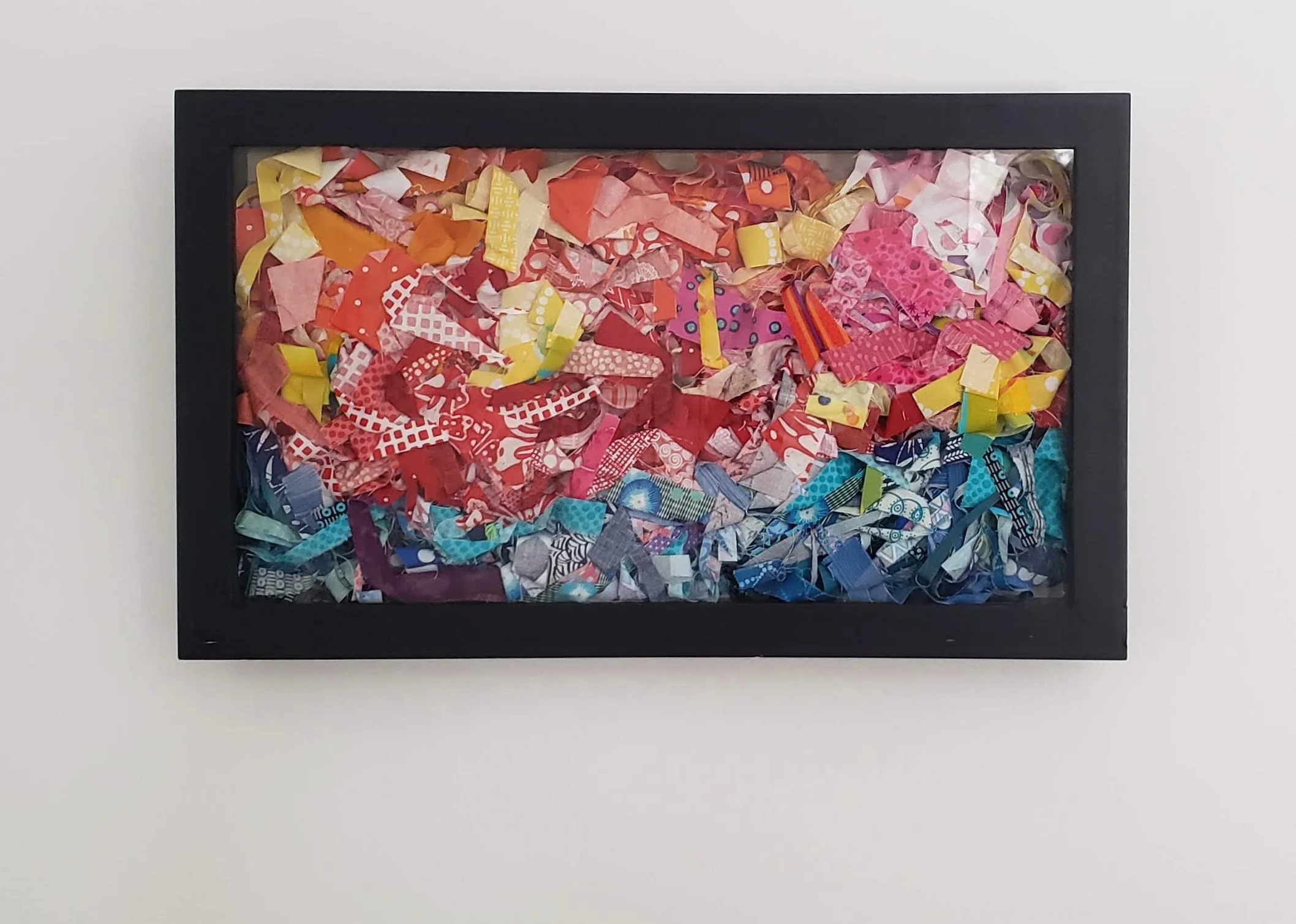
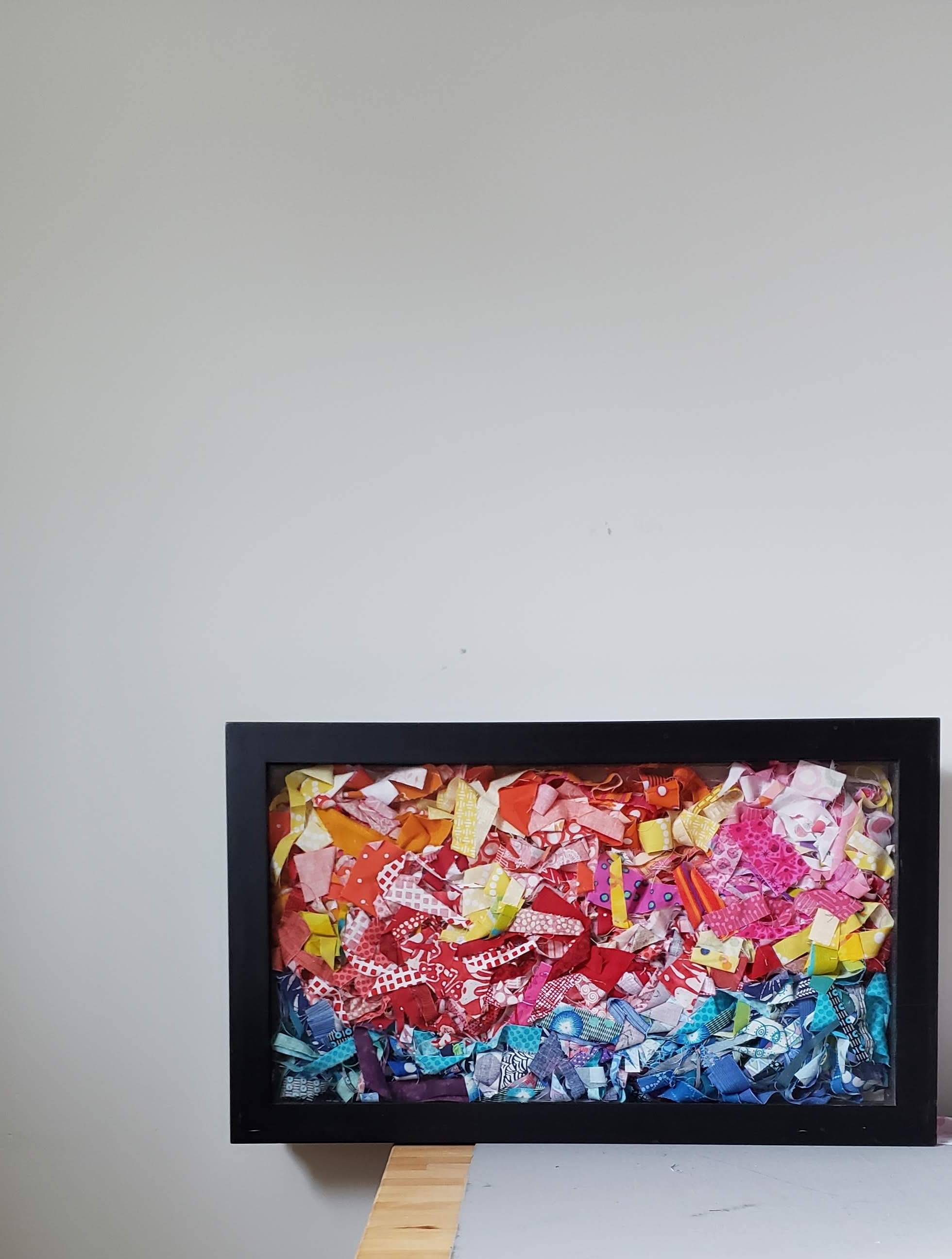
Then there are the trimmings. Because the bulk of the work I do is improvised at some point I need to trim and square up blocks or components on a quilt. I might be left with very useful scraps or a mess of threads and what used to look like fabric. While finishing up my last quilt top the dazzling array of bits left behind were just as inspiring to me as the blocks themselves. So I spent 5 minutes - yes, that is all it took - putting together this fun scrap project.

teeny scraps from make waves quilt


TEENY TINY SCRAPS SHADOW BOX CRAFT

Supplies

  • Fabric trimmings, thread bits, and tiny scraps of fabric

  • Clean Shadow Box Frame in any size

Instructions

  1. Fill shadow box with trimmings. Arrange in a colour order, if desired.

Notes

  • Take a little time to make the front side of the scraps pretty. The back of a fabric is really just another fabric in the collection, so it isn’t a big deal if it shows. Just be happy with the way the top layer of scraps looks.

  • It might be tempting to jam in ALL the trimmings, but unless you have a latch on your shadow box frame it won’t stay closed. Experiment with just the right amount to be full yet still keep closed.

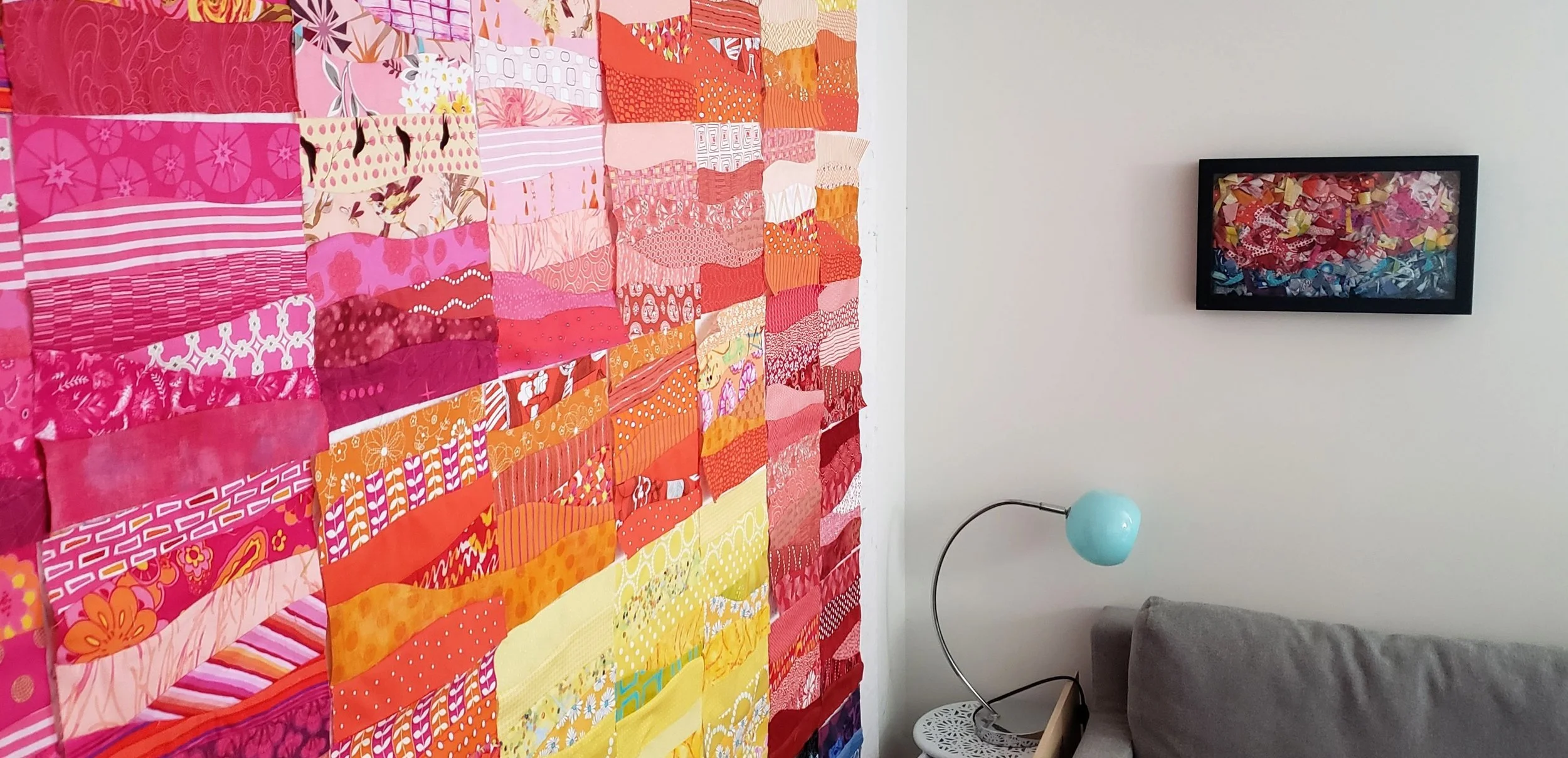
Now my project happens to match the last quilt top I finished, because it was that quilt itself and her gorgeous colours that gave me the idea. But this has the potential to be a whole different kind of art project. In a way it reminds me of the sand paintings that some people can do.

So, to answer the question: nothing is too small.

teeny scraps Shadow Box Craft

Garment Sewing Thoughts From a Scrap Quilter

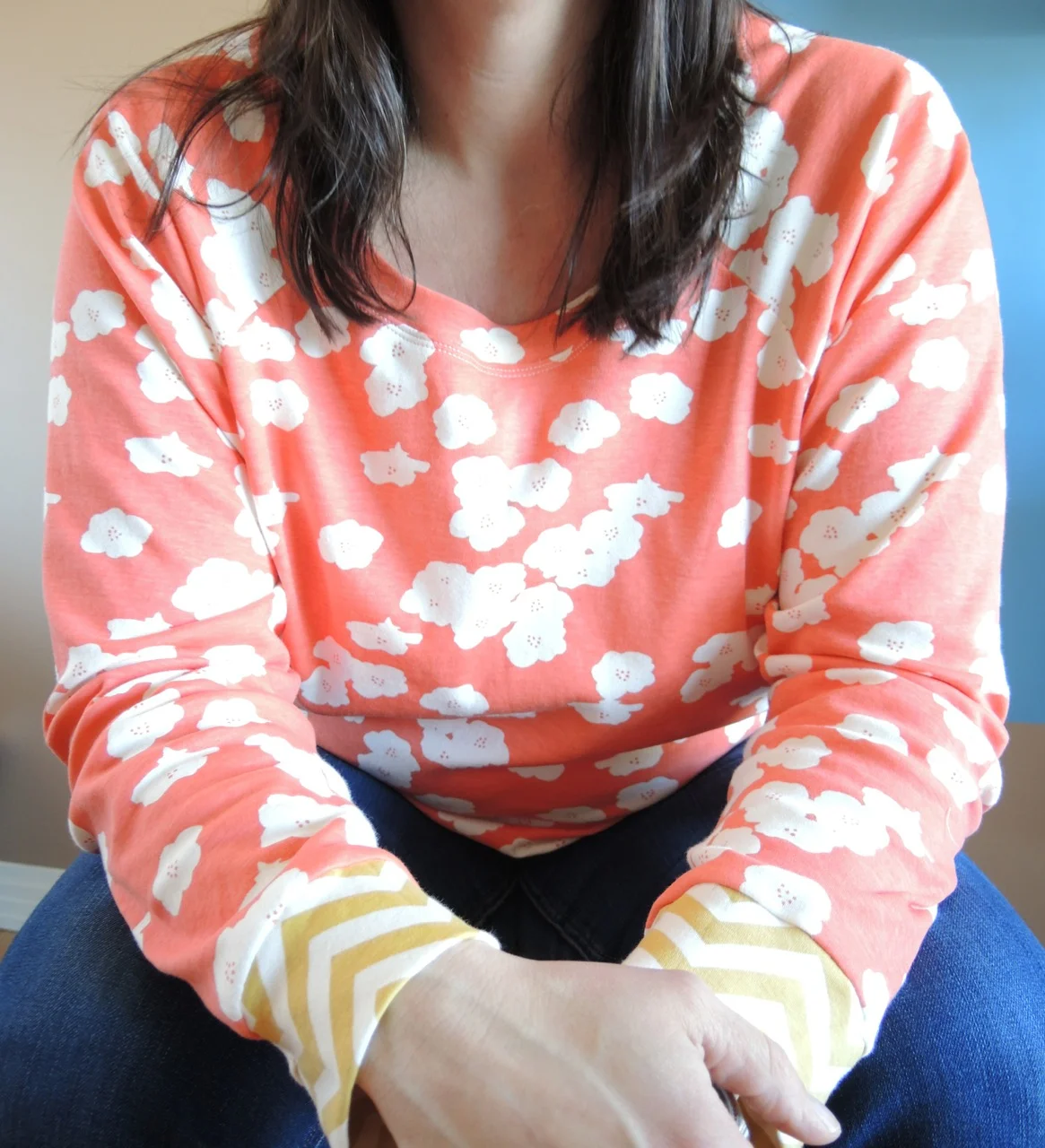
Linden sweatshirt

May 1 - Me Made May begins. Do you participate? The whole point is to showcase the garments you make and wear. It’s rather quite awesome. And it falls the week after Fashion Revolution, so it seems fitting.

Don’t know about Fashion Revolution? It started in response to the horrible Rana Plaza factory collapse 6 years ago. The factory was making what is known as Fast Fashion. The cheap, generally considered disposable clothing found all over the world. Have you bought a cotton knit t-shirt for less than $10? That’s Fast Fashion. This article is a great backgrounder and motivator.

Last week I had the privilege to speak at a Fashion Revolution YYC event. To be honest, I am not entirely sure why I was invited, but I am glad I was. The panel conversation was about what we, as local makers, can do to address Fast Fashion. It ended up being so much more than that. Today I want to talk about two of the things that came up for me during the evening.

Plus Size Fast Fashion

Plus Size Gets Left Out, Again

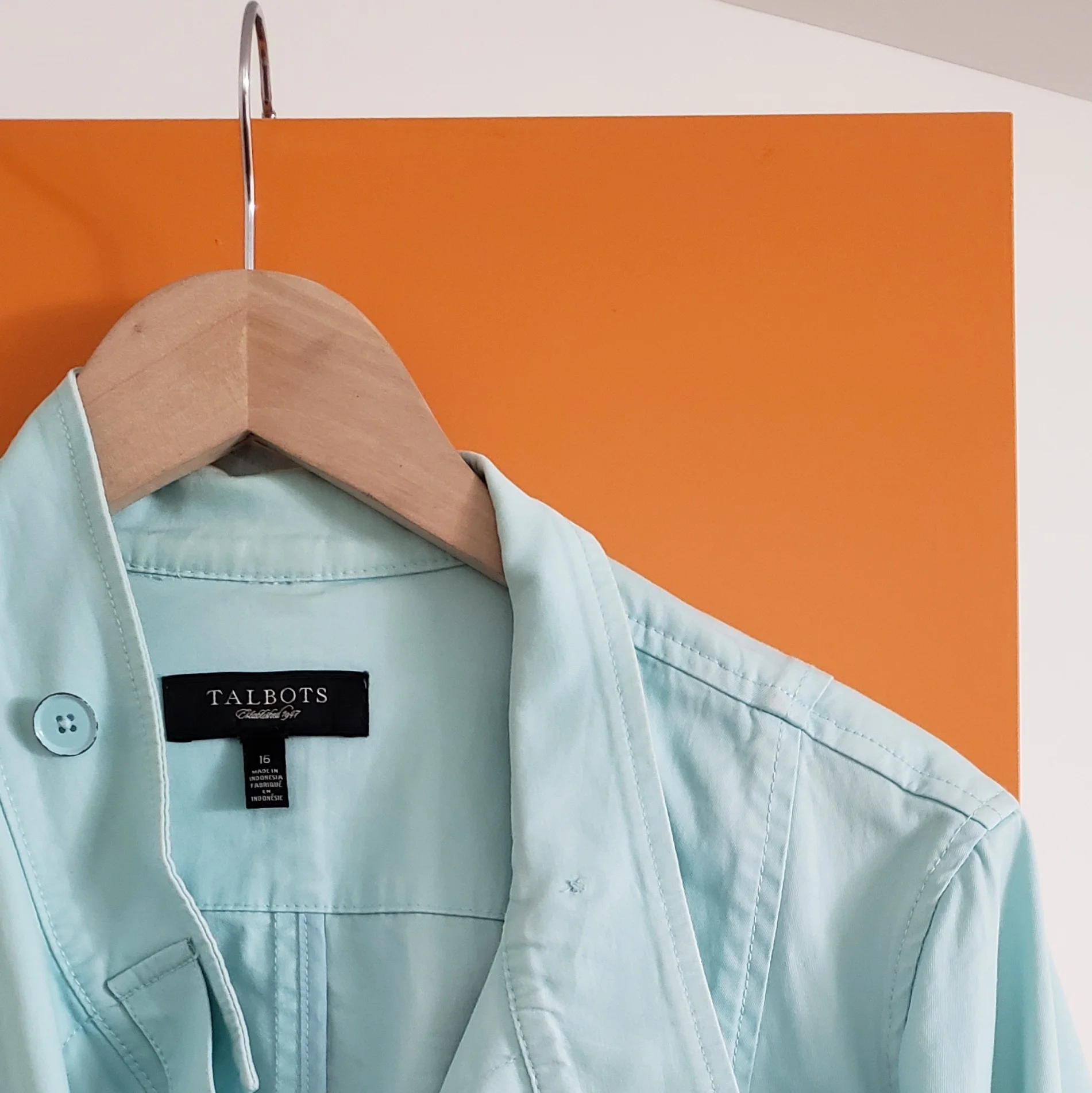
I am a plus size woman. And I know I am far from alone. But the vast majority of sustainable or eco conscious clothing is not made for me. Whether that is in the sizing or the style, it just isn’t much of an option.

How many artisan markets have you been to with gorgeous clothes, the maker right there full of enthusiasm and inspiration, only to discover your leg would barely fit in their samples for sale? That large seems like a small? It’s at the point where I don’t even look at clothing at any market.

At the end of the day my shopping choices are limited and 95% of them are going to be Fast Fashion. Even if I want to spend more money for high quality clothing that I will love and take care of, I can’t find it. It exists in such miniscule amounts that the search is like finding hidden treasure. And no matter how much I spend on jeans or what they are made of, my thighs are going to rub and wear out.

Two suggestions for making even your fast fashion last longer.

  1. Take care of it. I treat my Gap Outlet shirts the same as I treat everything else. A lot of handwashing and lay flat to dry. Yes it takes longer but it also means I am not treating my clothing as disposable. A valuable mindset for sustainability.

  2. Mend. I will admit, the visible mending trend is not generally something I would go for. It just isn’t my personal style. But there are beautiful examples out there to inspire. Plus, I can fix a button, rehem when necessary, or even alter something to be a bit new.

The Waste When You Make

Making your own clothes is a glorious solution to Fast Fashion. You get fit, colour, and sizing that works for you. You also get waste.

As a quilter I am used to accumulating, keeping, and using scraps of fabric. As an amateur garment sewer, I also keep accumulate and sort my scraps. BUT they are often not the same substrate as my quilting cottons scraps, nor do they always act the same way.

  • So I keep my knit scraps all together. In my head I will one day turn them into a braided rug or mat.

  • Anything cotton or linen does get put with my quilting cotton scraps. I find that you can mix woven naturals easily.

  • The rest? Well, I haven’t sewn with silk and only once with rayon, so I am not quite sure what to do when them.

Bags, mats, small projects, all can be made with your garment scraps. Providing you trim and sort them because, unlike quilting, you are going to have a lot of weird shaped pieces.

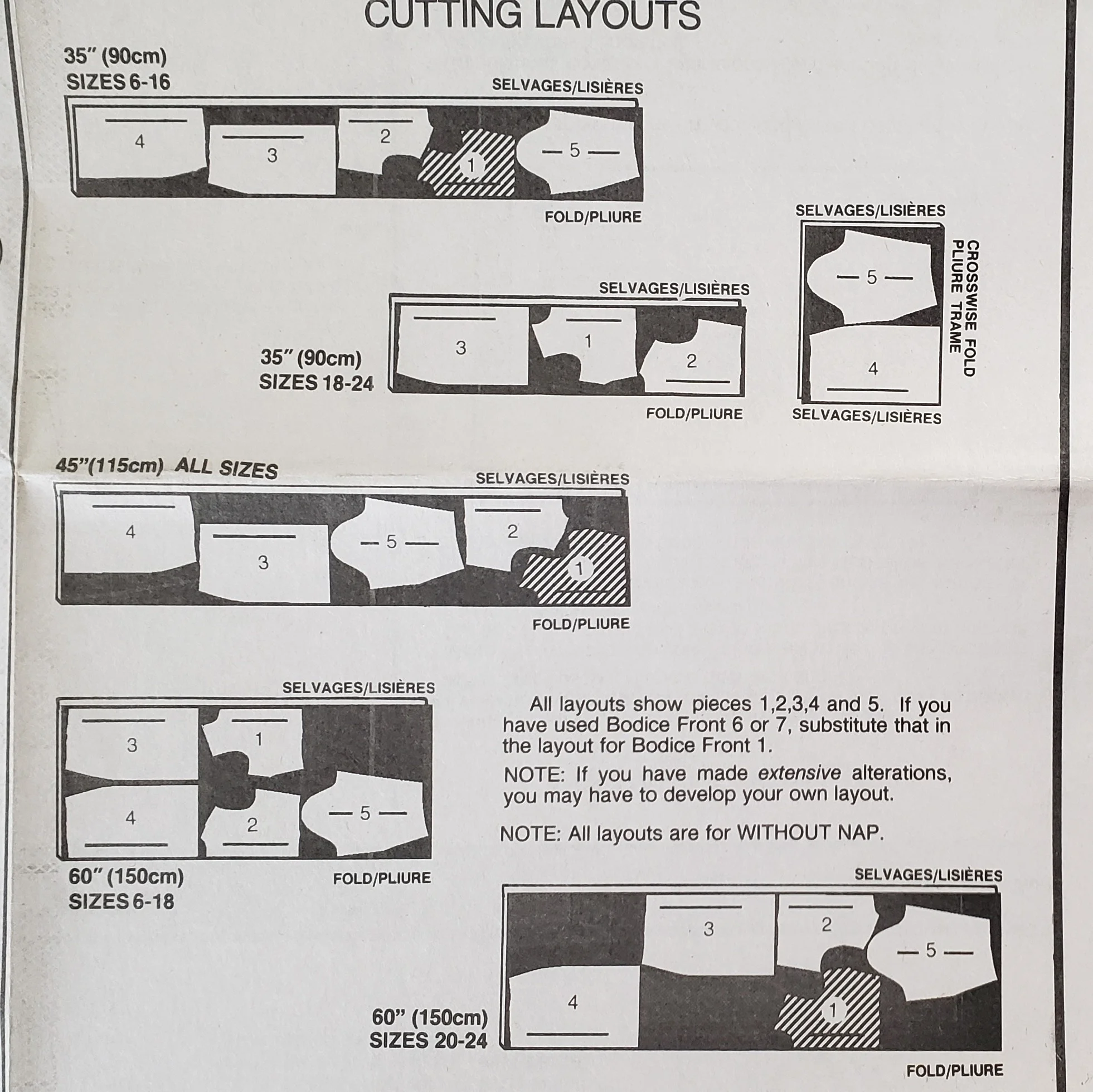
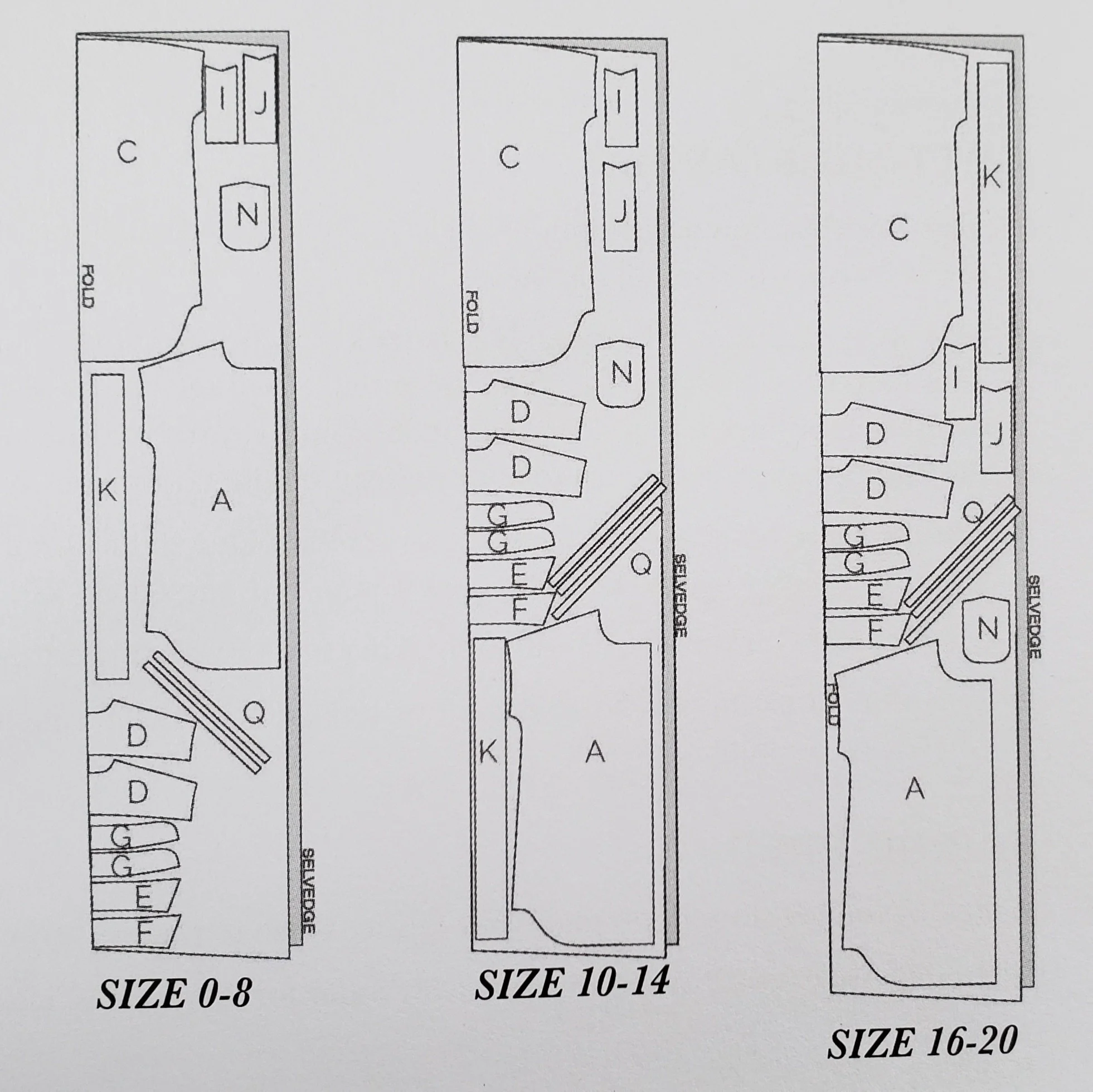
My pet peeve, however, with sewing plus size clothing is the fabric cutting. More than one pattern I’ve used has a different cutting layout as soon as you jump above a size 12. Sure, it makes sense. Bigger clothing means more fabric. What I often find, though, is that the change in cutting lay out leads to a lot of fabric scraps. Whereas I could snuggle my pieces together and be left with random bits, that jump to plus size often means large strips of fabric left untouched and significantly greater fabric requirements.

Look at all that extra fabric!

Look at all that extra fabric!

Much better.

Much better.

Now, I know that grading patterns (changing the sizes) is difficult work. I admire the pattern designers tremendously. But I do not think this jump makes sense. My instinct kicks in and I want to see something more sensible, even though I know it isn’t easy.

Let me give you a super simplified example. When I design a quilt pattern I like to minimize waste. I design block sizes and cutting instructions so you don’t have useless bits leftover or large swaths of fabric untouched. I’ve even changed patterns I wrote to make this easier. So can’t garment pattern designers working with plus size options, design the pattern to maximize the cut fabric? Put a seam down the back so you can cut from less fabric, for example?

Again, I am NOT a garment pattern designer, but I do wonder if things like this are feasible? I’ve also not yet tried some patterns from Cashmerette, a well known plus size pattern designer. Maybe she does this? Or is it even considered? Food for thought.

I won’t be wearing homemade for all of May, but I am using #memademay as a motivation to make a few more things. I plan a Driftless Cardigan and a Kalle Shirtdress. You can be darn sure I will be saving those scraps!

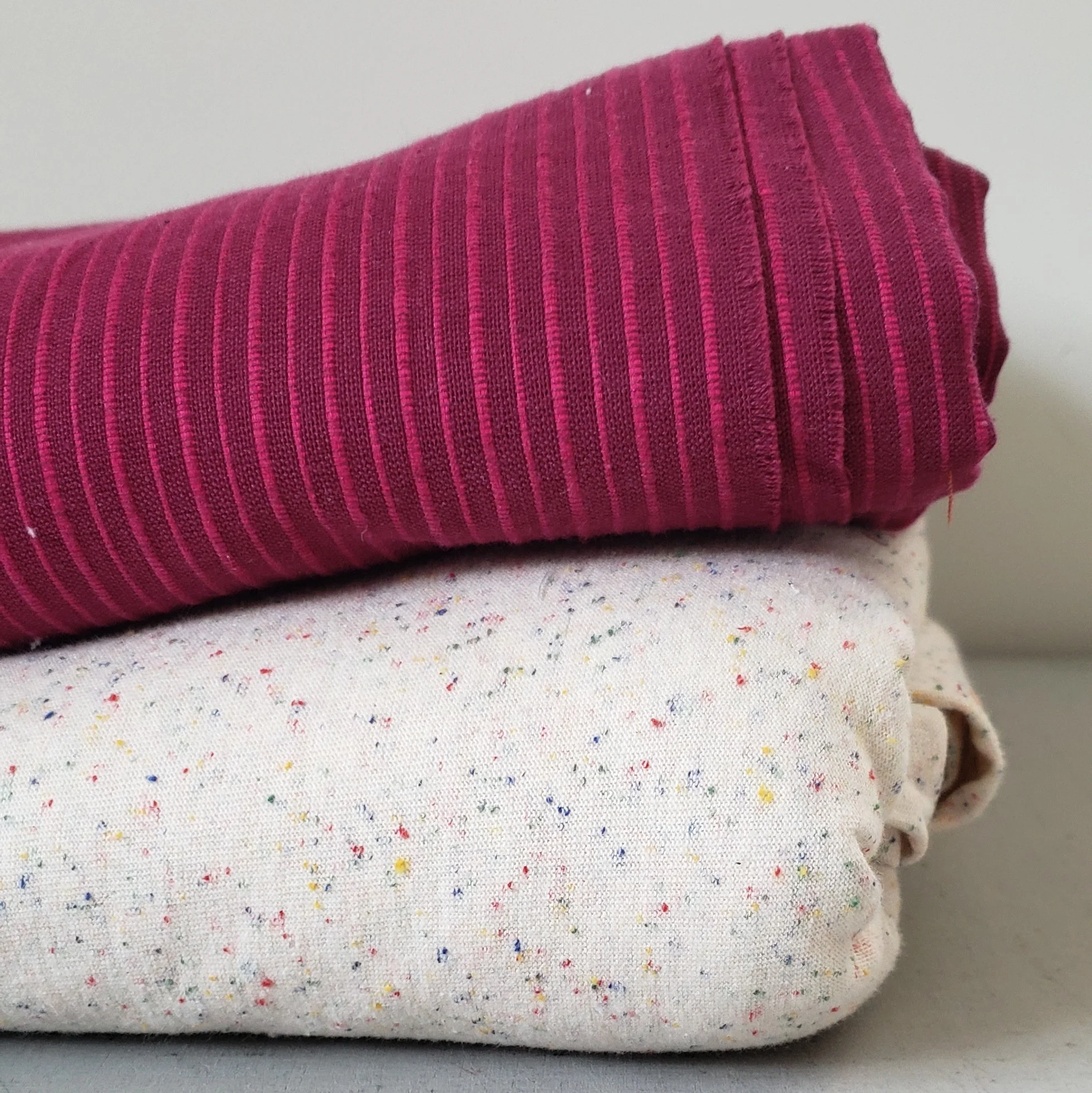
Kalle Shirtdress fabric